
Country risk
FATF grey list and call-for-action list
Lists published after the FATF plenary of 30 October 2026.
The FATF updates these two lists after each plenary, in February, June and October. The call-for-action list, often called the black list, calls for enhanced due diligence or countermeasures; the grey list covers jurisdictions that have agreed an action plan with the FATF.
Latest changes
FATF plenary of 30 October 2026 · Read the dedicated article
| List | Removed | Added |
|---|---|---|
| Black list | None | None |
| Grey list |
| None |
| Flag | Jurisdiction | List |
|---|---|---|
| High-risk jurisdictions subject to a call for action (black list) | ||
 | Democratic People’s Republic of Korea | Call to apply countermeasures |
 | Iran | Call to apply countermeasures |
 | Myanmar | Call to apply enhanced due diligence measures |
| Jurisdictions under increased monitoring (grey list) | ||
 | Angola | Increased monitoring |
 | Bolivia | Increased monitoring |
 | Bosnia and Herzegovina | Increased monitoring |
 | Cameroon | Increased monitoring |
 | Haiti | Increased monitoring |
 | Iraq | Increased monitoring |
 | Kenya | Increased monitoring |
 | Kuwait | Increased monitoring |
 | Lao PDR | Increased monitoring |
 | Lebanon | Increased monitoring |
 | Nepal | Increased monitoring |
 | Papua New Guinea | Increased monitoring |
 | South Sudan | Increased monitoring |
 | Syria | Increased monitoring |
 | Venezuela | Increased monitoring |
 | Vietnam | Increased monitoring |
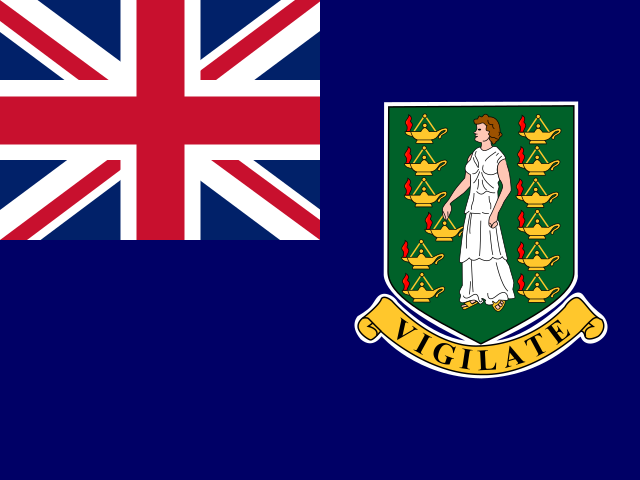 | Virgin Islands (UK) | Increased monitoring |
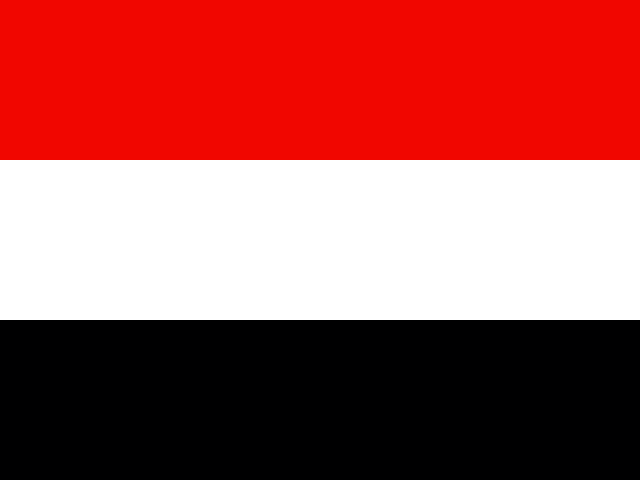 | Yemen | Increased monitoring |
The scope of these lists
The FATF lists do not create obligations by themselves: their effect on your clients depends on the rules that apply where you are established. For grey-list jurisdictions, the FATF does not call for enhanced due diligence, only for the information to be taken into account in risk analysis. Each change nonetheless calls for a review of the clients linked to the jurisdictions concerned.
In Switzerland, the FINMA Anti-Money Laundering Ordinance (AMLO-FINMA) refers to the FATF directly: business relationships with persons established in a country that the FATF considers high-risk or non-cooperative, and for which it calls for increased diligence, are always higher-risk relationships (Article 13(3)(d)), which today means the jurisdictions subject to a call for action.
Within the EU, enhanced due diligence for high-risk countries is triggered not by these lists but by the European Commission’s list of high-risk third countries. That list builds on the FATF lists but changes only through a new delegated regulation.
Monitoring clients linked to high-risk countries
Monitoring your clients’ country risk means knowing every country linked to each client, reviewing the clients concerned whenever a list changes, and documenting each decision. The countries to consider are those of the client’s nationality, residence or country of incorporation, and those of its beneficial owners.
The FATF lists change after each plenary, in February, June and October, and the EU list whenever a new delegated regulation enters into force. A country leaving a list does not make a client low-risk: the country remains one factor among others, alongside the client’s activity, the structure of the company and the source of funds. An auditor will expect a reasoned decision for each client concerned, not just a changed setting.
In Smart Oversight, each country entered on the client record is flagged when it appears on one of these lists. The compliance officer sets the risk level, directly or through a risk scoring questionnaire, and the screening frequency follows it. The client’s dated PDF report, with the questionnaire answers and alert history, is the audit trail for the review.
A simpler follow-up with Smart Oversight
Leave your details and our team will get back to you to show you how Smart Oversight follows these lists for your clients.
Or start a free trialFATF sources
- FATF (October 2026), Outcomes FATF Plenary, 28-30 October 2026, https://www.fatf-gafi.org/en/publications/Fatfgeneral/outcomes-fatf-plenary-october-2026.html. Licensed under CC BY 4.0.
- FATF (October 2026), High-Risk Jurisdictions subject to a Call for Action, 30 October 2026, https://www.fatf-gafi.org/en/publications/High-risk-and-other-monitored-jurisdictions/call-for-action-october-2026.html. Licensed under CC BY 4.0.
- FATF (October 2026), Jurisdictions under Increased Monitoring, 30 October 2026, https://www.fatf-gafi.org/en/publications/High-risk-and-other-monitored-jurisdictions/increased-monitoring-october-2026.html (accessed 6 November 2026). Licensed under CC BY 4.0.